The Indigenous Journalists Association selects nine students to the 2026 IJF cohort to receive training, mentorship and support
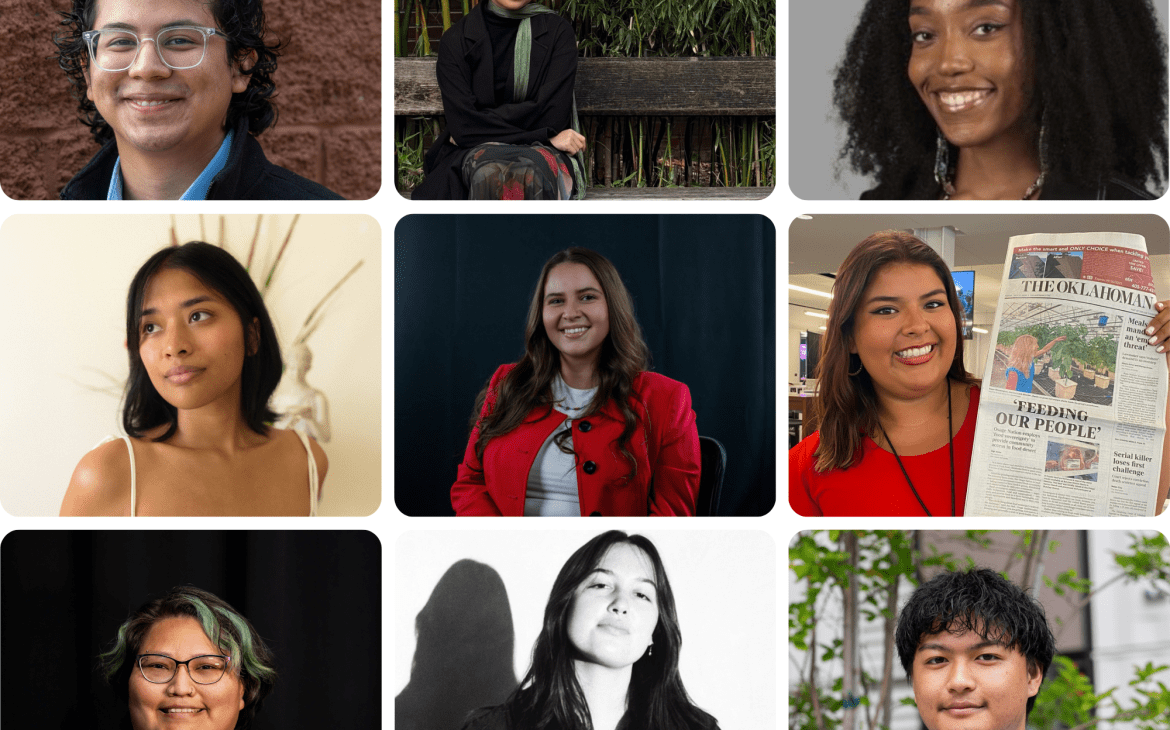
The Indigenous Journalists Association announced nine fellows to the 2026 Indigenous Journalism Fellowship cohort, which comprises undergraduate and graduate students representing Indigenous communities from around the world. They are aspiring broadcast, radio, print, visual and digital media journalists eager to contribute to the rich history of Indigenous journalism.
Each fellow will be paired with an experienced Indigenous journalist who will serve as their mentor. Over the course of the annual program, fellows will receive virtual training and mentorship designed to strengthen reporting skills, build confidence and prepare them for a career in journalism and media.
IJF will culminate in participation at the 2026 Indigenous Media Conference in Portland, Ore., where fellows will attend panels and networking sessions, while working in the student newsroom. Fellows will create content across digital, social, and multimedia platforms sharing key moments during the conference as well as highlighting the importance of the ongoing work of Indigenous media and IJA.
IJA is proud to welcome the 2026 Indigenous Journalism Fellows!
Meet the Fellows:

Joseph Morales (Tohono O’odham Nation) is an enrolled member of the Tohono O’odham Nation of Southern Arizona and a bachelor’s student in English at Arizona State University with a focus on journalism and community-centered reporting. He has spent nearly two years working with Gila River Indian News as an unpaid volunteer, gaining hands-on experience in news writing, photography, and event coverage — reporting on tribal government, community initiatives, cultural events, and youth athletics. As he approaches graduation, Joseph continues to build professional experience while seeking opportunities to contribute meaningful, accurate and respectful coverage to the communities he serves.

Connor Arakaki (Kanaka Maoli) is a writer at Yale University, where she is double-majoring in ethnicity, race, and migration and English, with a concentration in nonfiction. During the 2024-25 school year, she was editor in chief of the Yale Herald, the university’s weekly magazine. Most recently, she was a reporter for Honolulu Civil Beat, covering Native Hawaiian rights, and worked with the Yale Investigative Reporting Lab. Their writing can also be found in The Nation, The New Journal, Hawai’i News Now, DIAGRAM, HIFILM, and elsewhere.
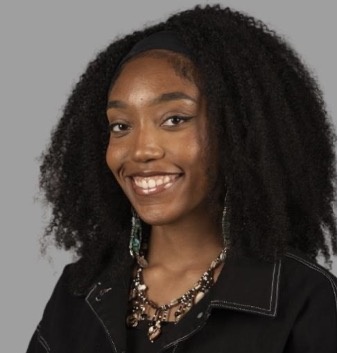
Lauryn Callis (Muscogee Nation / Cherokee Nation) is a Muscogee (Creek) and Cherokee Afro-Indigenous storyteller, filmmaker, and graduate student in Indigenous studies at the University of Kansas. A Haskell Indian Nations University alumna, her work centers Black and Native histories, visual sovereignty, and community-based storytelling. She is the creator of the YouTube platform, Blessed Afroindigenous, where she documents cultural experiences, identity, and Indigenous perspectives through digital media. Through film, journalism, and public scholarship, she is committed to amplifying Indigenous voices and reshaping narratives that impact Native communities. Lauryn’s long-term goal is to build a media career that bridges investigative storytelling, cultural reclamation, and digital production.

Kianna Reyes (Pacific Islander) is a multimedia creative from the Northern Marianas Islands who writes profiles of Native artists and covers Indigenous cuisine for Marianas Press. Outside of writing, she is an indie filmmaker and freelance photographer studying natural resources management at Northern Marianas College.

Tara Roanhorse (Navajo Nation) is a Navajo journalism student and senior studying business administration with an emphasis in tribal management at Haskell Indian Nations University. She serves as editor in chief of The Indian Leader, the oldest student-run Native American newspaper in the country, and as a student social media specialist at Haskell. She previously worked in NASA’s Office of Communications. As a first-generation college student, her work is grounded in community advocacy, equity, and making information accessible to underserved communities. Through her reporting and leadership, she centers Indian Country, sovereignty, and the power of storytelling to inform, connect, and empower communities.

Gigi Sieke (Osage / Sac & Fox / Absentee Shawnee) is from Pawhuska, Okla. A broadcast and print journalist, she is the first Native American Teen Broadway Critic and covers topics ranging from Capitol Hill to Broadway to Oklahoma’s reservations.
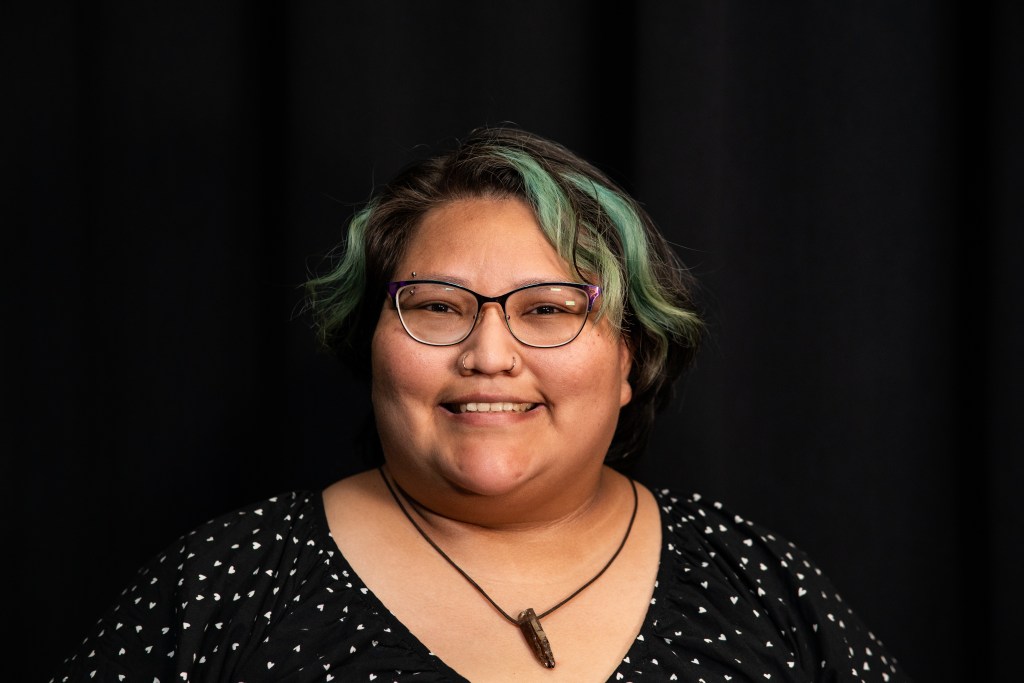
Trina Tsinnie (Navajo) is a multimedia storyteller attending Haskell Indian Nations University, where she is pursuing a bachelor’s degree in business administration. She is actively involved in the university’s student-led newspaper, Indian Leader, and contributes to Good Morning Indian Country News, where she helps amplify Indigenous voices and stories through thoughtful reporting and collaboration. She also works as a DJ at KJHK, where she curates music, hosts live radio segments, and gains hands-on experience in audio production and broadcasting. With a strong skill set in writing, editing, video production, and audio editing, Trina tells stories across multiple platforms. She is especially interested in journalism that blends culture, media, and community impact.
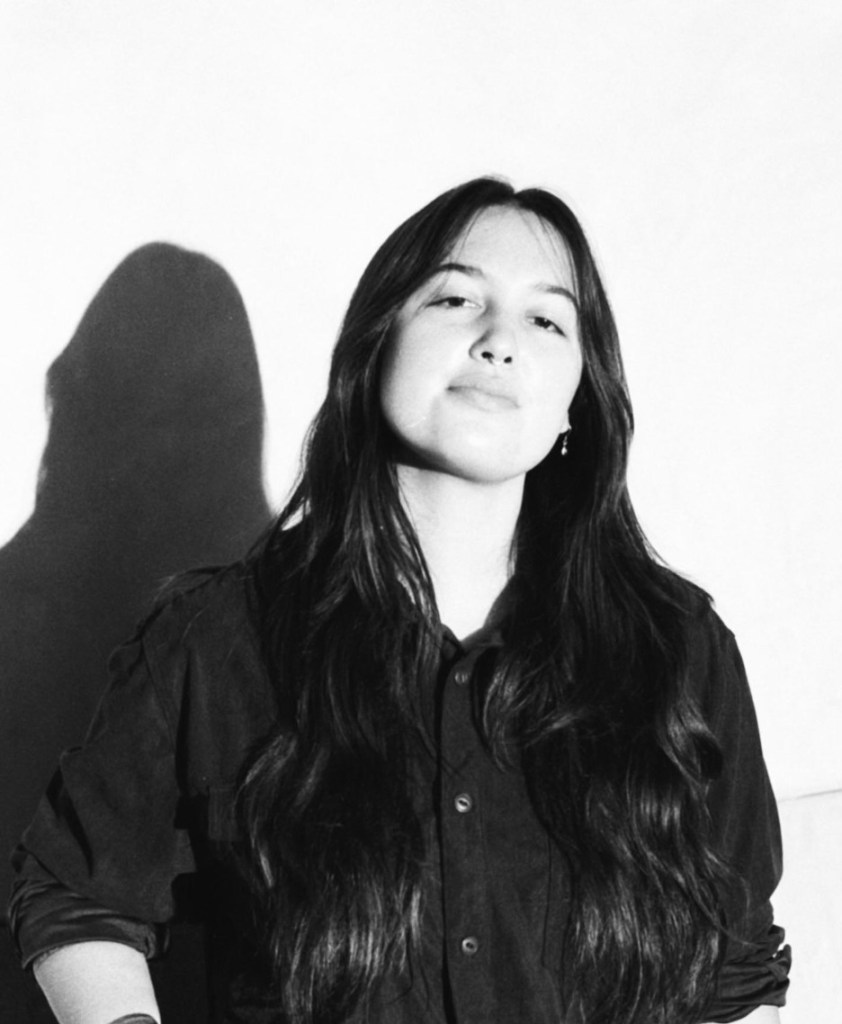
Bella Trigg (Yup’ik) is an Alaskan Native journalist who uses reporting to explore their Indigeneity while serving as a conduit for other Native voices. By prioritizing Indigenous-centered stories, Bella has learned from and collaborated with some of the most influential leaders in Indian Country. In 2024, Bella co-founded Unsettled, an all-Indigenous magazine dedicated to showcasing Native artists based in Lenapehoking NYC. Through this effort, Bella hopes to strengthen their Native community by continuing to build reciprocity, while also educating non-Natives through storytelling.

Kalani Isaac Kale Chai-Andrade (Native Hawaiian) is a photojournalist based in Eugene, Ore. He received his bachelor’s degree in journalism and cinema studies from the University of Oregon and is currently pursuing a master’s in advertising and brand responsibility. Kalani specializes in sports photography and has also worked with the Northwest Indigenous Language Institute in Eugene and reported on local communities in Accra, Ghana. He hopes to use his skills to highlight important stories for Indigenous communities around the world.

