
Indigenous journalists and journalism educators discussed and developed practices and strategies for teaching solutions journalism to Indigenous journalists and communities.
As part of an ongoing partnership, the Indigenous Journalists Association (IJA) and the Solutions Journalism Network (SJN) offered SJN’s Train-the-Trainers program to 13 IJA members in January and February 2026. It was the first time this training, which ran for a total of five days spread over a five week-period, featured an all-Indigenous group.
The program was co-hosted by Angela K. Evans, SJN’s communities of practice director; Joseph Lee (Aquinnah Wampanoag), IJA board member; and Matt Simmons, SJN trainer and staff reporter at The Narwhal. Angela and Joseph are co-leads of the Indigenous Climate Solutions Cohort, a broader yearlong initiative for five Indigenous-led and -serving newsrooms.
This Train-the-Trainers group discussed how to develop strategies for teaching solutions journalism specific to Indigenous contexts, including decolonizing practices and aligning solutions journalism principles with Indigenous storytelling. They explored case studies and took part in hands-on exercises designed to help other Indigenous journalists and IJA members engage deeply with the practice. By the end of the program, attendees set clear goals and created actionable plans to guide their efforts as solutions journalism trainers, equipped with new tools and approaches to bring into their work.
Meet and learn about the participants in this Train-the-Trainers program:
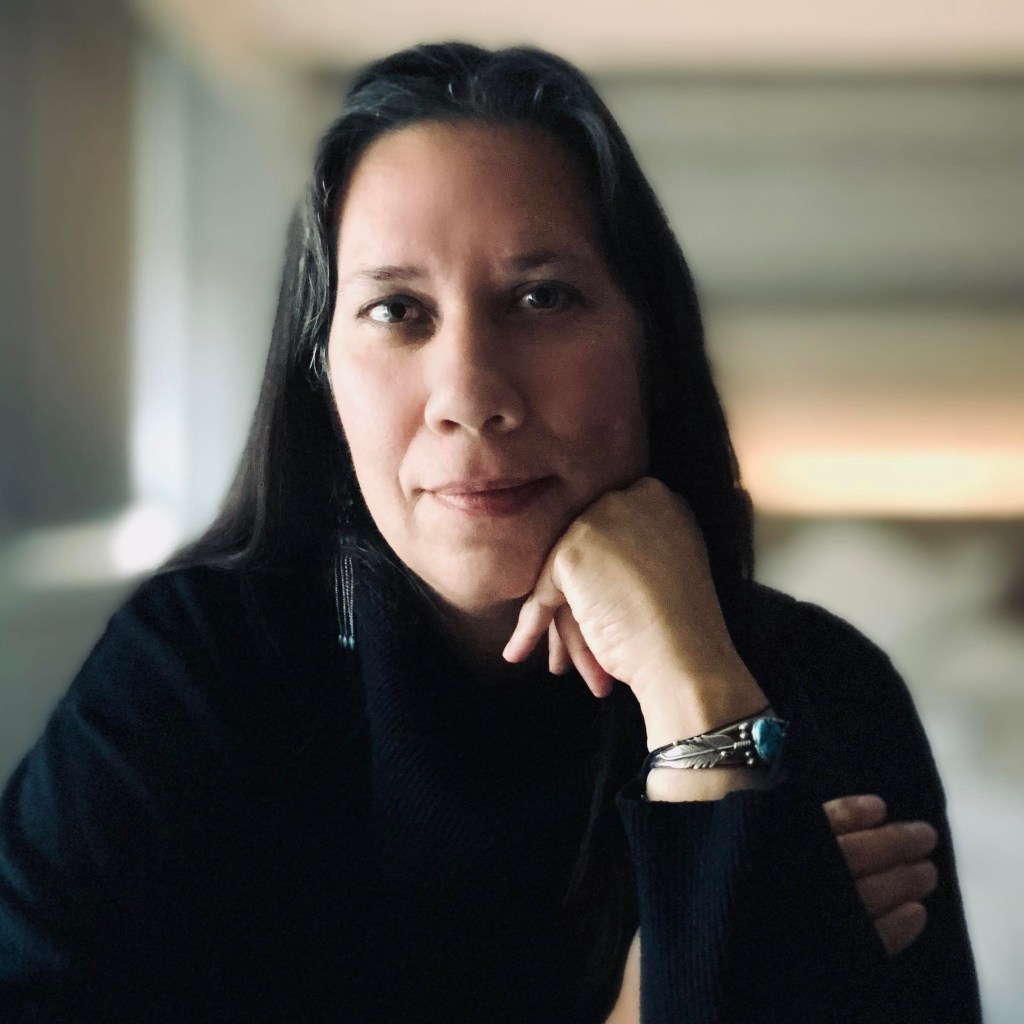
Odette Auger (Sagamok Anishnawbek) is an award-winning journalist with over 250 bylines since 2020, including in APTN National News, Ricochet, The Tyee, Windspeaker and more.

Bella Davis is an Indigenous affairs reporter at New Mexico In Depth and a Yurok tribal member. She reports on issues including education reform and high rates of violence against Indigenous people. In 2025, Bella helped launch a collaborative series, “Indigenously Positive,” with her newsroom and New Mexico PBS. She hosts and co-produces the series, which tells joyful stories from Native communities. Bella previously reported on local government, the criminal legal system and other topics for the Santa Fe Reporter, an alt-weekly. Before that, she worked at her college newspaper, the Daily Lobo, where she covered various developments on campus and racial justice protests during the summer of 2020. She holds a bachelor’s degree in journalism and mass communication from the University of New Mexico.
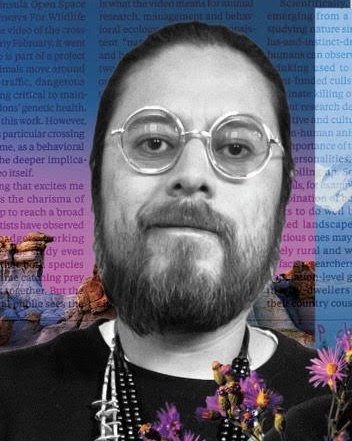
Shaun Griswold is a writer from the high deserts of New Mexico. They’re a sovereign citizen from the Pueblos of Laguna, Jemez and Zuni writing about Indigenous people living with colonialism. He is the senior reporter for Cultivating Culture, a project, supported by the MacArthur Foundation, that covers Indigenous food sovereignty and language at Native News Online. Shaun is also a contributor at High Country News.

Anita Hofschneider is a senior staff writer at Grist, based in Honolulu. She is Chamorro from the Commonwealth of the Northern Mariana Islands and spent a decade reporting on local news in Hawaiʻi before joining Grist’s Indigenous affairs desk, where she now covers the intersection of climate change and Indigenous peoples. Her work has won dozens of awards, and in 2024 she was a finalist for the Livingston Awards for Young Journalists for her reporting on the aftermath of Maui’s wildfires.

Meredith Johnson is a citizen of the Chickasaw Nation and the managing editor of Mvskoke News, the free press of the Muscogee (Creek) Nation. She joined the news team in 2023 as a general reporter. Before joining Mvskoke Media, she worked in research and higher education and as a writer for her Tribal nation, publishing in The Journal of Chickasaw History and Culture. Her ethnographic research and writing focus on cultural revitalization, Indigenous sovereignty and homeland consciousness of the removed Southeastern Tribes. Meredith holds degrees from the University of Oklahoma and the University of Chicago. When not in the newsroom, she can be found in the classroom teaching critical thinking and writing at the College of the Muscogee Nation, in the garden or on the couch playing video games with her family.

Sarah Liese (Twilla) is Diné and an enrolled member of the Turtle Mountain Band of Chippewa. Her grandmother, Mary Morez, named her Twilla, which means “Sparkle Upon the Water.” Sarah, who has covered Indigenous affairs for KOSU Radio since April 2024, is passionate about heart-centered storytelling. Since working for KOSU Radio, she has received awards from the Indigenous Journalists Association, the Oklahoma Historical Society and the Oklahoma Society of Professional Journalists. Sarah is from St. Louis, Missouri, and received her Bachelor of Arts degree in Journalism and New Media from the University of Mississippi in 2019. Following graduation, she worked at WLOX-TV in Biloxi, Mississippi, as a Producer-in-Residence Fellow and digital content producer. She pursued a Master of Science degree at Ohio University and was awarded the Outstanding Master’s Student Award in 2022 from the E.W. Scripps School of Journalism. She has also presented her research findings about Indigenous media at the International Indigenous Climate Change Research Summit and International Indigenous Research Conference, and has received multiple fellowships from the Sundance Institute and the Indigenous Journalists Association.

Naka Nathaniel (Kanaka Maoli) is the host of the “Hawaiʻi Radio Hour.” Previously, he was a journalist for The New York Times, based in New York, Paris and Los Angeles. Part of the team that launched NYTimes.com, he later led The Times’s multimedia team that pioneered new approaches to storytelling. His footage of the second plane hitting the South Tower on 9/11 aired on broadcast television networks, and a sequence of the tape was the dominant image on NYTimes.com. While based in Paris, Naka developed a style of mobile journalism that gave him the ability to report from anywhere. Working in more than 50 countries, he covered sex trafficking, maternal mortality and the plight of children in unequal societies. He covered the invasions of Iraq and Afghanistan and was detained while working in Iran, Sudan, Gaza and China. He was nominated for an Emmy for his work in Darfur, and his columns on the Lahaina fires and aftermath won an Indigenous Media Award and a Hawaiʻi Society of Professional Journalists award. He has taught journalism at Emory University and the University of Hawaiʻi at Mānoa. Naka has a bachelor’s degree in journalism from the University of Texas at Austin.

Sheena Roetman-Wynn (Lakota/Muscogee) is the director of membership for the Indigenous Journalists Association. Previously, Sheena spent six years as director of membership and programs at the Atlanta Press Club, where she also ran its annual internship program and assisted in producing debates for local, state and federal races in partnership with Georgia Public Broadcasting and Public Broadcasting Atlanta. She has also spent more than 15 years as a freelance journalist, editor, researcher and community organizer. Sheena holds a degree in journalism with a research specialty in American Indian Media from Georgia State University. She is currently based outside Atlanta, where she enjoys cooking, gardening, yoga and hiking with her husband and their two wiener dogs.
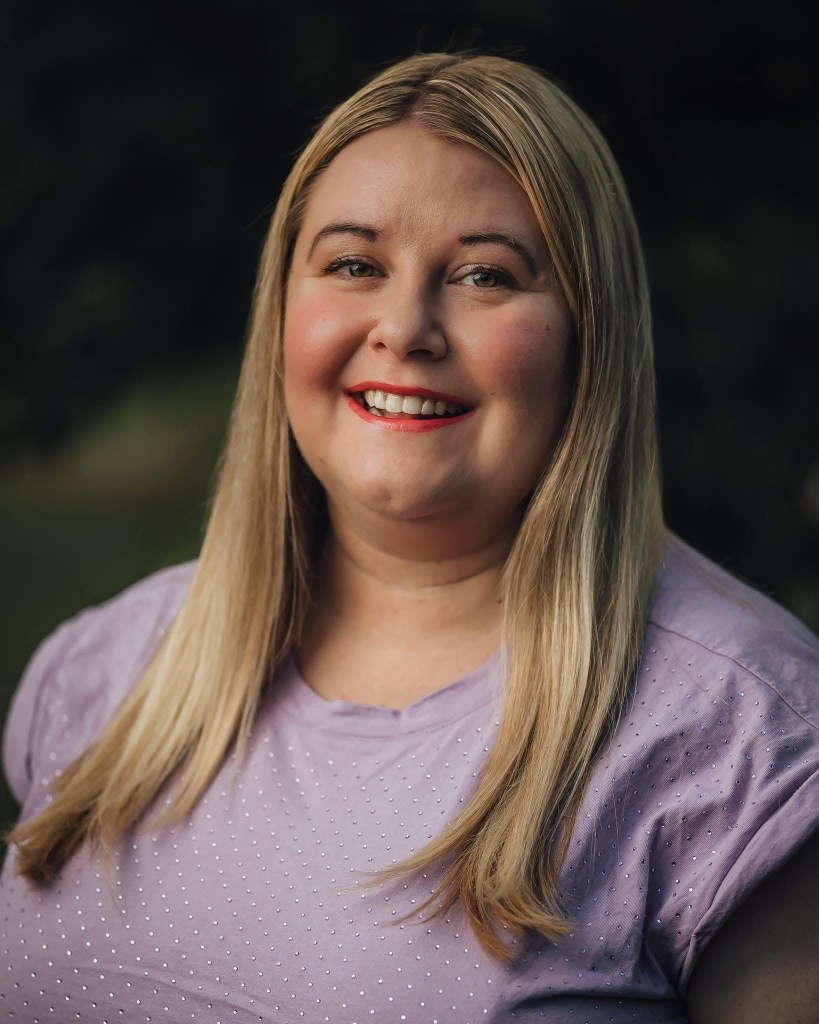
Rachael Schuit is a senior journalist for Crosswinds News, which is based in the Tulsa, Oklahoma area. She is a descendant of the Menominee Indian Tribe of Wisconsin and enjoys covering news about Native American communities. Rachael loves hearing people’s stories and being able to share them with others.

Taylar Dawn Stagner is a writer from central Wyoming who spent most of her time growing up near and on the Wind River Indian Reservation. She’s a Cheyenne Arapaho tribal member and an Eastern Shoshone descendant. Taylar writes essays, paints and helps efforts to bring the buffalo back to the reservation. She’s written for the AP, National Public Radio, High Country News and Grist.

Christine Trudeau oversees Underscore’s newsroom and directs its journalism. She supervises the editorial staff in alignment with Underscore’s mission to provide impactful reporting at the intersections of sovereignty and justice for Indigenous communities of the Pacific Northwest. Christine is passionate about reporting that serves, informs and helps build agency for Indigenous people. She is a citizen of the Prairie Band Potawatomi Nation and a committed advocate for mentoring the next generation of Indigenous journalists. Christine is the first Indigenous managing editor of Underscore Native News, and also served as board president of the Indigenous Journalists Association (previously known as the Native American Journalists Association) from 2023 to 2025. She has reported for outlets such as NPR, High Country News and National Native News, while also serving in adjunct professor roles at the Institute of American Indian Arts and the University of Montana School of Journalism.

Mary Cathleen Wilson is a Tohono O’odham journalist, researcher and climate change storyteller focused on Indigenous climate adaptation, critical minerals and environmental justice in Indian Country. She is a climate change reporter with the Desert Research Institute’s Native Resilience program and a freelance journalist whose work centers Indigenous knowledge systems — particularly the Tohono O’odham Himdag — as living frameworks for climate resilience, education and policy. Mary’s reporting explores the intersections of climate change, renewable energy transitions, critical mineral extraction, tribal sovereignty and cultural survival. Her work has appeared in outlets such as Tribal College Journal, Native Climate and Native Resilience. She holds a master’s degree in American Indian Studies and a bachelor’s degree in political science from the University of Arizona. In fall 2026, she will begin the University of Arizona’s American Indian Studies Ph.D. program, where her research will expand her work on Indigenous education, climate literacy and solutions-oriented journalism.
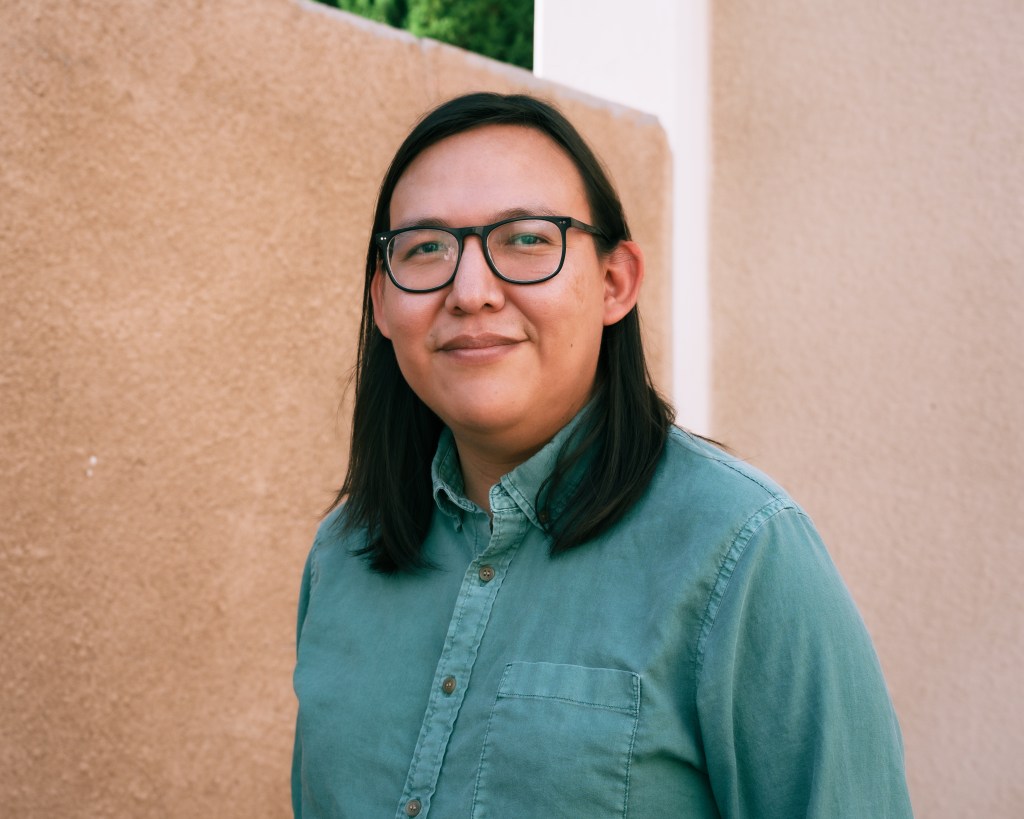
Benjamin C. Yazza (Diné) is a multimedia producer at NMPBS in Albuquerque, New Mexico. His curiosity is bridging the connection between modern news and younger audiences. He is a member of the Navajo Nation and enjoys eliciting Indigenous and Native voices in hopes of sharing their thoughts and experiences across the digital media landscape. Benjamin is currently working with Bella Davis to produce the series “Indigenously Positive,” in which they explore uplifting stories of Indigenous joy and empowerment.