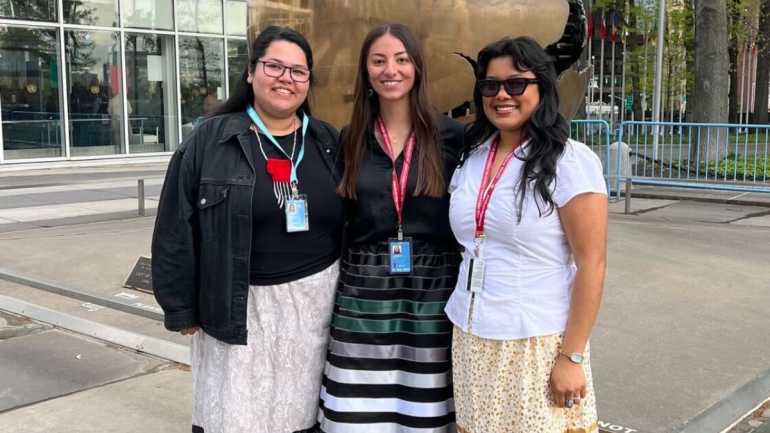
The annual meeting of the United Nations Permanent Forum on Indigenous Issues (UNPFII) is one of the most globally significant conferences for Indigenous peoples worldwide. Every April, hundreds of Indigenous leaders from across the globe convene at the UN headquarters in New York City to weigh in on each year’s theme.
Indigenous peoples have important stories to tell, but many are not accustomed to working with journalists and the media. This contributes to Indigenous Peoples’ issues, and the UNPFII not getting the media attention they deserve.
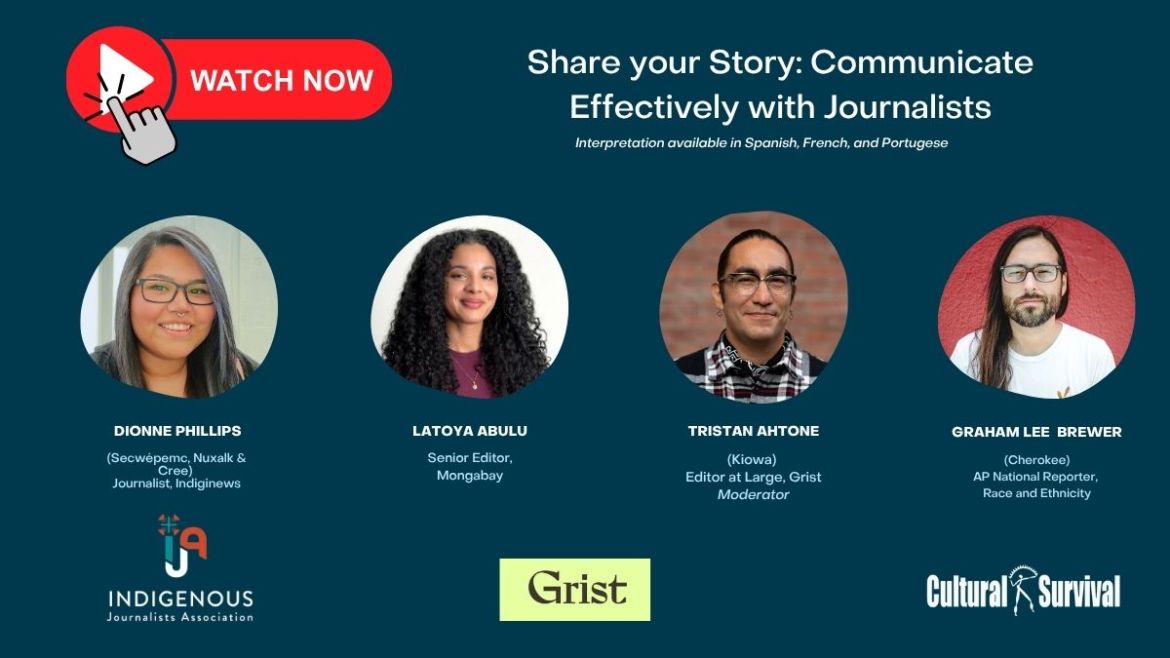
To address this gap, the Indigenous Journalists Association (IJA), Grist, and Cultural Survival co-produced a free training webinar for UNPFII attendees and Indigenous Peoples on April 8, 2026. During this training, participants learned how to hone and craft their messages; storytelling techniques and tools; how to better understand the story components journalists want and how to communicate them effectively to journalists and media.
This virtual media literacy training aims to ensure global accessibility as a program of IJA’s Indigenous Media Initiative, which you may donate to.
Cultural Survival hosted the webinar and provided translation services:
- English: https://www.youtube.com/watch?v=3LHpM7FGoJs
- Spanish: https://vimeo.com/1181281137
- Portuguese: https://vimeo.com/1181281569
- French: https://vimeo.com/1181284936
Thank you for watching and thank you to our partners at Cultural Survival, and Grist.
And thank you to Project Access Indigenous Partnership for their promotion of this event.
Read more about the Moderator and Panelists
MODERATOR
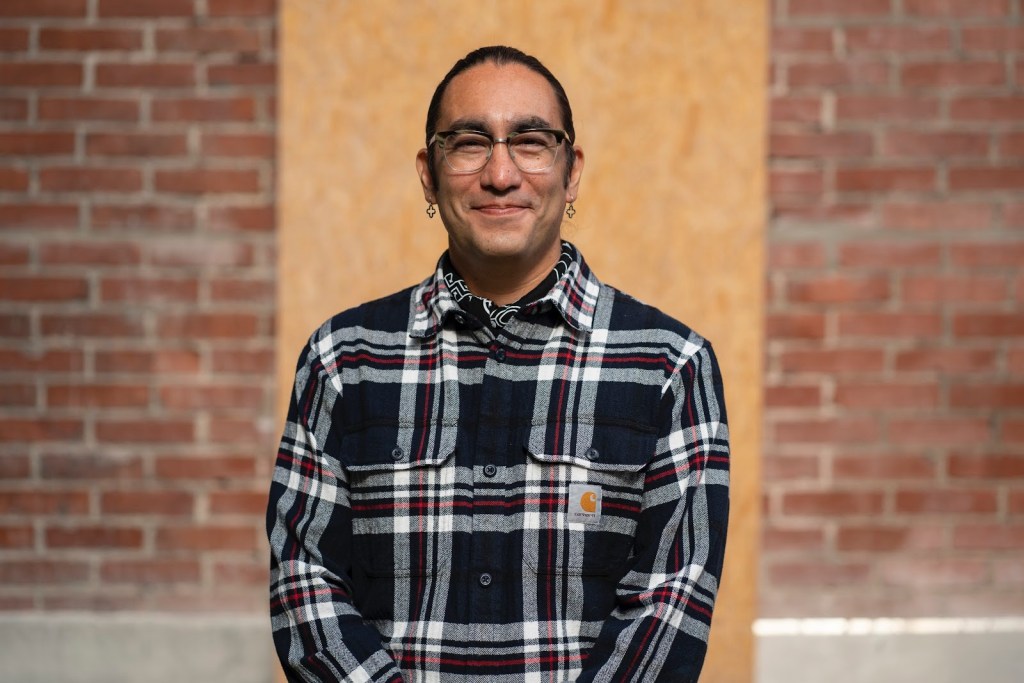
Tristan Ahtone (Kiowa) is Editor at Large at Grist and formerly Editor in Chief at the Texas Observer and Indigenous Affairs editor at High Country News. He has reported for Al Jazeera America, PBS NewsHour, NPR, and Indian Country Today. His work earned a George Polk Award, National Magazine Award nomination, and awards from Gannett Foundation and IRE. He is a 2017 Nieman Fellow and former NAJA president.
PANELIST 1
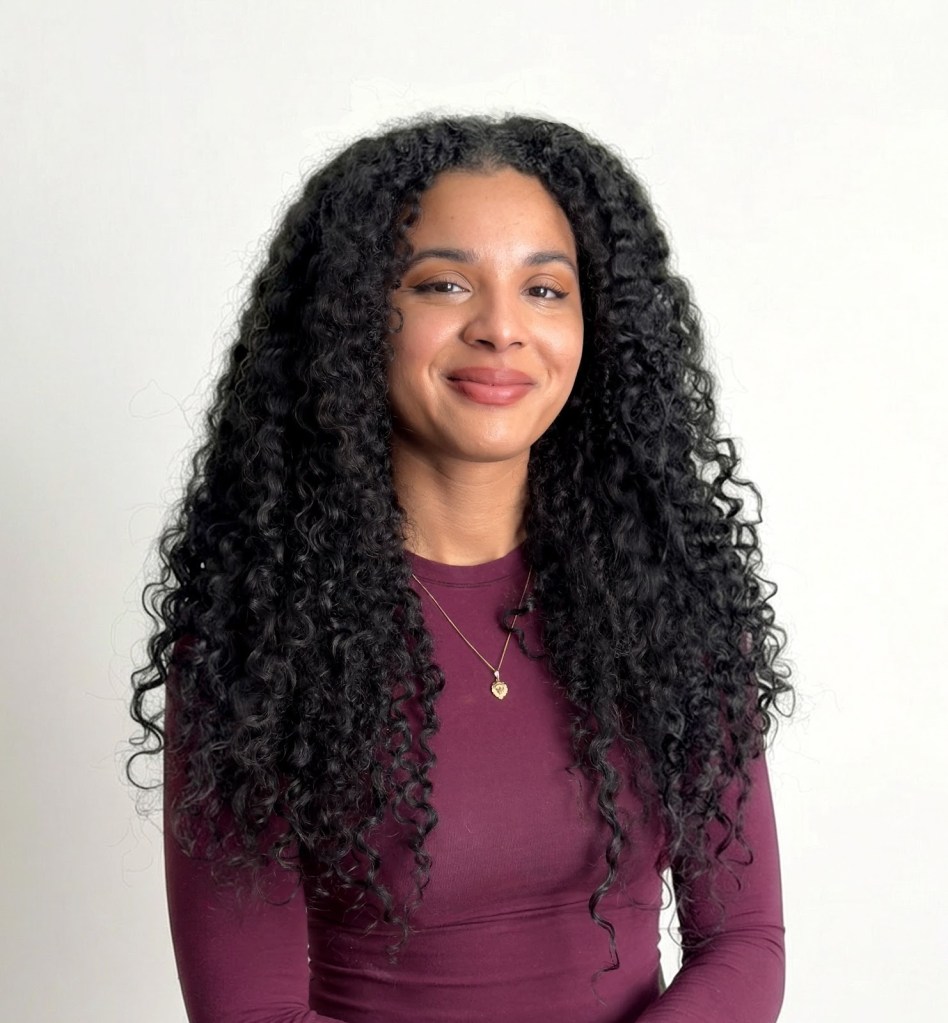
Latoya Abulu is a senior editor and award-winning journalist at Mongabay. She leads the Indigenous news desk and covers local communities, high-value conservation areas and investigations into land grabbing. Her work has also been featured in The Diplomat, Asia Times, AFP, Japan Times, Earth Island Journal, The Ecologist, and others.
PANELIST 2
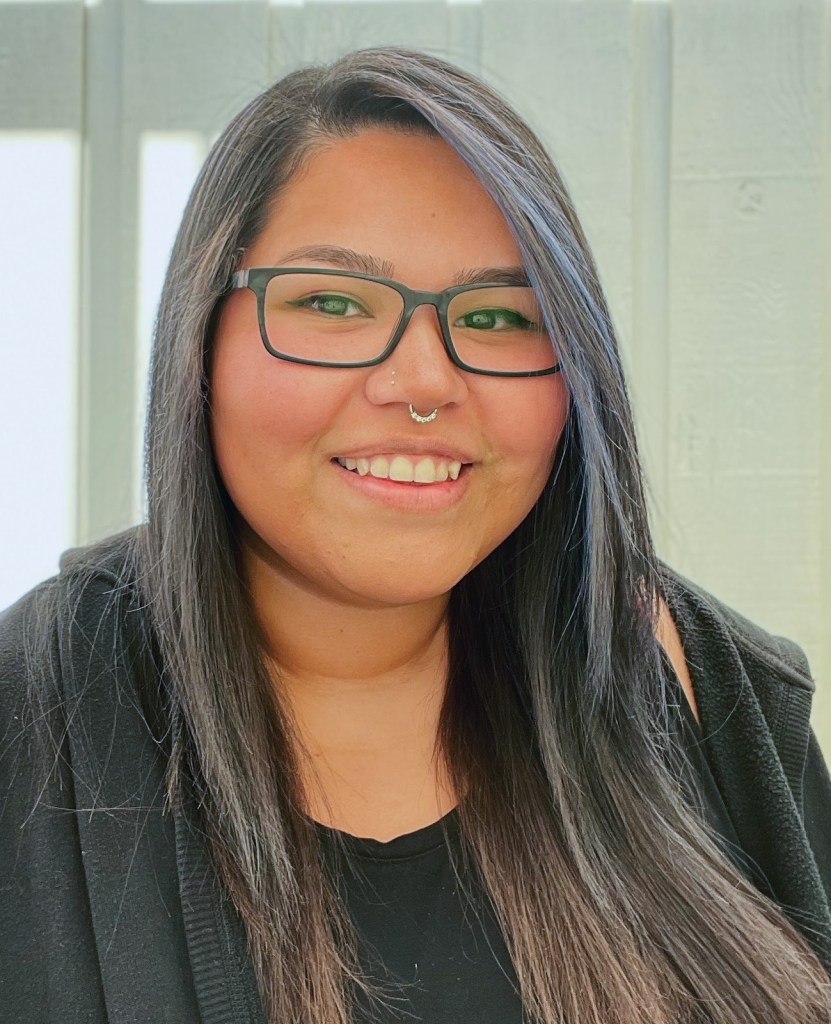
Dionne Phillips (Secwépemc, Nuxalk and Cree) is an award-winning journalist from the Xats̓úll First Nation. She is Secwépemc on her father’s side and has Nuxalk and Cree roots on her mother’s side. She began her storytelling journey with IndigiNews in 2023 and uses that knowledge to tell Indigenous stories, ranging from arts and culture to land sovereignty.
PANELIST 3
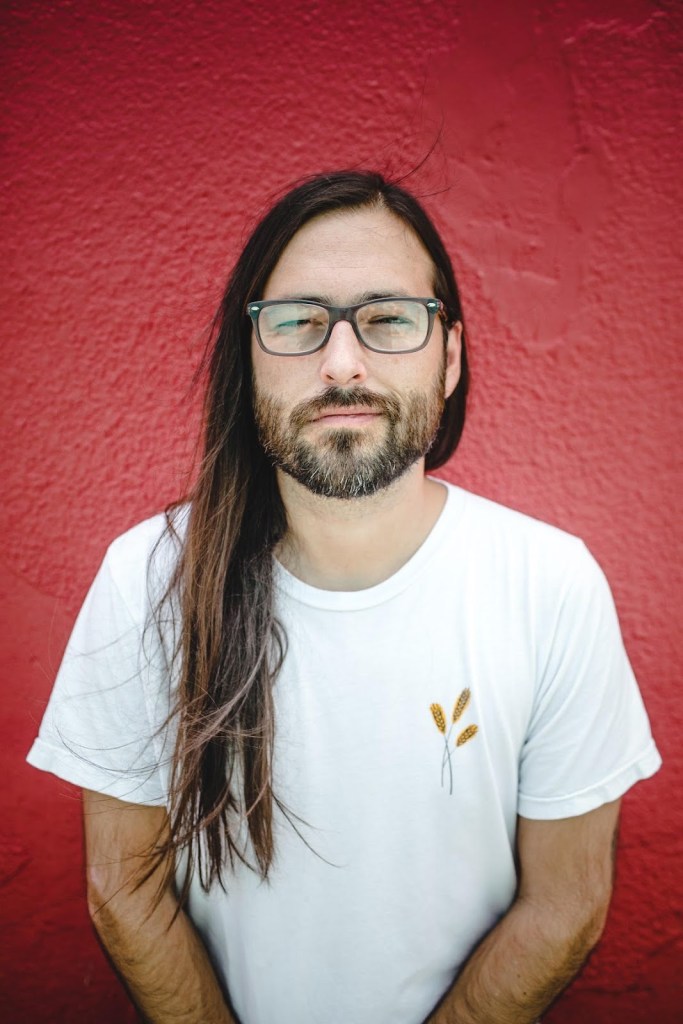
Graham Lee Brewer (Cherokee) is a national writer at the Associated Press focusing on Indian Country. He was a national investigative reporter at NBC News, and his work has appeared in the New York Times, NPR, ProPublica, and Rolling Stone. He is a former president of the Indigenous Journalists Association and a citizen of the Cherokee Nation.
About the Indigenous Journalists Association
The Indigenous Journalists Association’s mission is centered on the idea that accurate and contextual reporting about Indigenous people and communities is necessary to overcome biases and stereotypes portrayed in popular and mainstream media. Expanding access to accurate news and information is essential to an informed citizenry and healthy democracy, across tribal, local, state and national levels.
For more than 40 years, Indigenous journalists across the United States and Canada have worked to support and sustain IJA. Originally formed as the Native American Press Association in 1983, the organization has grown from just a handful of reporters to a growing membership, which includes Indigenous journalists, associates, educators and partners.
About Grist
Grist is a nonprofit, independent media organization dedicated to telling stories of climate solutions and a just future. Our goal is to use the power of storytelling to illuminate the way toward a better world, inspire millions of people to walk that path with us, and show that the time for action is now. In 2021, Grist launched the nation’s first environmentally focused Indigenous Affairs Desk, which produces journalism by and about Indigenous people, communities, and issues — from sovereignty to disproportionate climate impacts to Indigenous rights and stewardship.
About Cultural Survival
Cultural Survival is an Indigenous-led NGO and U.S. registered non-profit that advocates for Indigenous Peoples’ rights and supports Indigenous communities’ self-determination, cultures, and political resilience, since 1972. For over 54 years, Cultural Survival has partnered with Indigenous communities to advance Indigenous Peoples’ rights and cultures worldwide. We envision a future that respects and honors Indigenous Peoples’ inherent rights and dynamic cultures, deeply and richly interwoven in lands, languages, spiritual traditions, and artistic expression, rooted in self-determination and self-governance. Cultural Survival takes on this work through a four-pronged strategy using Grantmaking, Capacity Building, Advocacy, and Indigenous-led Communications.